Dental examination

What exactly is periodontitis – and how can I tell if I have it?

Periodontal treatment

Healthy, inflammation-free gums are just as important for oral health as healthy, well-cared-for teeth.

Gums should be pale pink, fit snugly around the teeth in a garland shape and not bleed when touched. If the tooth-supporting tissue (periodontium) is inflamed, dentists speak of periodontitis. The disease is very widespread and is the most common cause of tooth loss – even ahead of caries.

Periodontitis causes more tooth loss than caries!

Statistics show that in Germany more teeth are lost to periodontitis than to caries. That is why it is so important to prevent gum inflammation – with good oral hygiene and the prophylaxis measures we carry out in the practice. Regular professional teeth cleaning can significantly reduce the risk of developing periodontitis.

How does periodontitis develop – and how can I prevent it?

If plaque or tartar remains along the gum line for a long time, the bacteria irritate the gums. They become inflamed, swell, bleed more easily and recede. Bacteria and biofilm can then penetrate deeper into the gum pocket and attack the tissue further. The body reacts to the inflammation by breaking down the underlying bone: the tooth loses support, becomes loose and, in the worst case, may be lost.

Genetic predisposition, hormonal changes (e.g. during pregnancy), stress or smoking can accelerate this process.

What does treatment involve? Which therapies make sense?

To stop things from getting that far, it is important to detect periodontitis early. At your check-up we therefore routinely use a simple, painless method – the Periodontal Screening Index – which allows periodontitis to be diagnosed at an early stage.

If periodontitis is present, a very gentle, anti-infective and regenerative treatment lets us intervene in the inflammatory process and prevent tooth loss. Depending on how far the disease has progressed, treatment includes prophylaxis and gentle cleaning of the gum pockets and root surfaces with hand instruments and modern powder-jet and ultrasonic devices.

In many cases supporting antibiotic therapy is useful. As there are many different periodontal bacteria and the bacterial load varies greatly from person to person, we first determine your individual bacterial profile with a test so that aggressive germs can be targeted specifically.

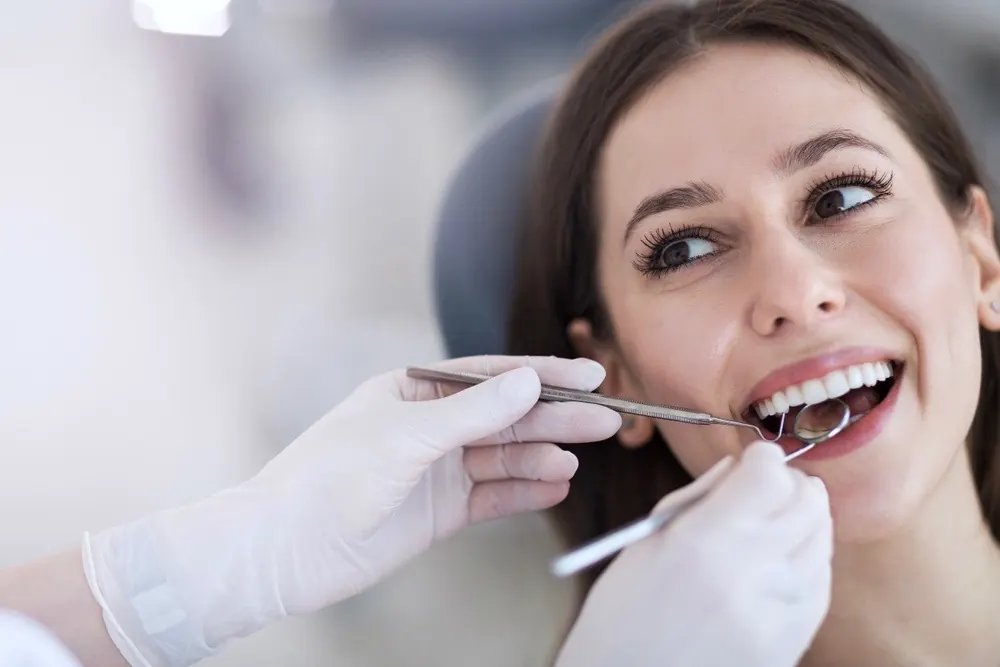
Regular aftercare combined with prophylaxis is essential for success.

After periodontal treatment, regular supportive aftercare and professional teeth cleaning are very important so that the inflammation does not return and your teeth and gums stay healthy for life. Please ask us if you have any further questions about periodontal treatment.

About aftercare

Any questions, or would you like to book an appointment?

Book anappointment